How to Say Water in Different Languages

How to Say Water in Different Languages

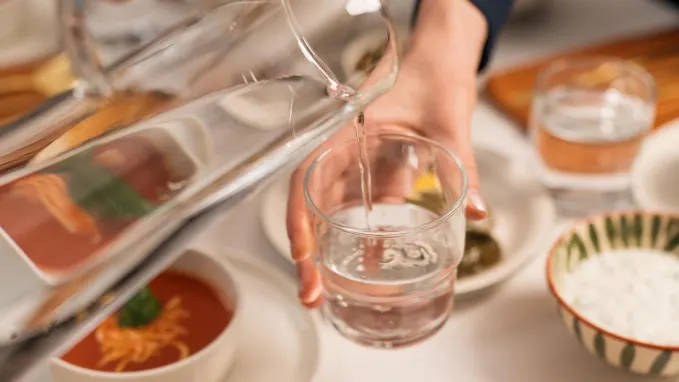
A glass of water is easy to ask for once you know the local word and a polite way to order it. Listen for Spanish agua, French eau or Japanese 水 (mizu), then practise the full request before you stop at a café or sit down for a meal.

If the server asks which kind you’d like, say whether you want still or sparkling water, and whether you’d prefer a glass or a bottle. Menu terms can vary between countries that share a language. For tap water, check local drinking-water advice before ordering.

When a reply comes back quickly, listen for the word that changes your order. You might be offered chilled water or water at room temperature, or asked whether you’d like ice. If you miss the question, you can repeat your preference or point to an option on the menu.

Explore Water Around the World

Browse the full list below, sort by Top Destinations or A-Z (Country). Type a country, language, or phrase into the search box to filter your results. Select any country to open its full page with extra translations, local variations, and cultural tips.

Quick Search

Sort by

Ranked by travel and search popularity
Countries sorted alphabetically
France
French
Eau [oh]
French
De l'eau, s'il vous plaît. [duh LOH, seel voo PLEH]
Japan
Japanese
水 [mee-zoo]
Japanese
お水ください。 [oh-mee-zoo koo-dah-sai]
Spain
Spanish
Agua [AH-gwah]
Spanish
Agua, por favor. [AH-gwah, por fah-BOR]
Italy
Italian
Acqua [AHK-kwah]
Italian
Un bicchiere d'acqua, per favore. [oon bee-KYEH-reh DAK-kwah pehr fah-VOH-reh]
Germany
German
Wasser [VAH-ser]
German
Ein Glas Wasser, bitte. [ine glahs VAH-ser BIT-teh]
Mexico
Spanish
Agua [AH-gwah]
Spanish
Agua, por favor. [AH-gwah, por fah-BOR]
Portugal
Portuguese
Água [AH-gwuh]
Portuguese
Um copo de água, se faz favor. [oong KOH-poo duh AH-gwuh, suh fahsh fuh-VOR]
India
Hindi
पानी [PAA-nee]
Hindi
एक गिलास पानी दीजिए। [ayk ghi-LAAS PAA-nee DEE-jee-yay]
Vietnam
Vietnamese
Nước [nuh-uk]
Vietnamese
Cho tôi một ly nước. [chaw toy moht lee nuh-uk]
South Korea
Korean
물 [mool]
Korean
물 좀 주세요. [mool johm joo-seh-yoh]
China
Chinese
水 [shuǐ]
Chinese
请给我一杯水 [Qǐng gěi wǒ yì bēi shuǐ]
Türkiye
Turkish
Su [soo]
Turkish
Bir bardak su alabilir miyim? [beer bar-DAHK soo ah-lah-bee-LEER mee-YEEM]
Greece
Greek
Νερό [neh-ROH]
Greek
Ένα ποτήρι νερό, παρακαλώ. [EH-na poh-TEE-ree neh-ROH, pah-rah-kah-LOH]
Thailand
Thai
น้ำ [náam]
Thai
ขอน้ำเปล่า [khǎw náam plàaw]
Canada
English
Water [WAH-der]
English
A glass of water, please. [uh GLASS uhv WAH-der, pleez]
United States
English
Water [WAW-der]
English
A glass of water, please. [uh GLASS uhv WAW-der, pleez]
England
English
Water [WAW-tuh]
English
A glass of water, please. [uh GLAHSS uhv WAW-tuh, pleez]
Netherlands
Dutch
Water [WAH-ter]
Dutch
Een glas water, alstublieft. [ayn khlahs WAH-ter, ahl-stoo-BLEEFT]
Ireland
English
Water [WAW-ter]
English
A glass of water, please. [uh GLASS uhv WAW-ter, pleez]
Austria
German
Wasser [VAH-ser]
German
Ein Glas Wasser, bitte. [ine glahs VAH-ser BIT-teh]
Switzerland
German
Wasser [VAH-ser]
German
Ein Glas Wasser, bitte. [ine glahs VAH-ser BIT-teh]
Belgium
Dutch
Water [WAH-ter]
Dutch
Een glas water, alstublieft. [ayn ghlahs WAH-ter, ahl-stoo-BLEEFT]
Croatia
Croatian
Voda [VOH-dah]
Croatian
Čašu vode, molim vas. [CHAH-shoo VOH-deh MOH-leem vahs]
Poland
Polish
Woda [VOH-dah]
Polish
Poproszę wodę. [poh-PROH-sheh VOH-deh]
Czechia
Czech
Voda [VOH-dah]
Czech
Vodu, prosím. [VOH-doo, PRO-seem]
Hungary
Hungarian
Víz [veez]
Hungarian
Egy pohár vizet, legyen szíves. [edj POH-haar VIH-zet, LEH-dyen SEE-vesh]
United Arab Emirates
Arabic
ماي [maay]
Arabic
ماي لو سمحت. [maay low sah-MAHT]
Morocco
Arabic
الما [l-maah]
Arabic
بغيت الما، عافاك. [bgheet l-maah, aa-FAAK]
Egypt
Arabic
مية [MAY-yah]
Arabic
ممكن مية لو سمحت؟ [MOOM-kin MAY-yah low sah-MAHT]
Brazil
Portuguese
Água [AH-gwah]
Portuguese
Um copo d'água, por favor. [oong KOH-poo DAH-gwah, por fah-VOR]
Argentina
Spanish
Agua [AH-gwah]
Spanish
Un vaso de agua, por favor. [oon BAH-soh deh AH-gwah, por fah-BOR]
Scotland
English
Water [WAW-ter]
English
A glass of water, please. [uh GLASS uhv WAW-ter, pleez]
Denmark
Danish
Vand [vahn]
Danish
Et glas vand, tak. [et glas vahn, tahk]
Sweden
Swedish
Vatten [VAHT-ten]
Swedish
Ett glas vatten, tack. [et glahs VAHT-ten, tahk]
Norway
Norwegian
Vann [vahn]
Norwegian
Et glass vann, takk. [et glahs vahn, tahk]
Indonesia
Indonesian
Air [AH-eer]
Indonesian
Boleh minta segelas air putih? [BOH-leh MIN-tah suh-GUH-lahs AH-eer POO-teeh]
Malaysia
Malay
Air [AH-yer]
Malay
Boleh minta segelas air? [BO-leh MIN-tah suh-GUH-las AH-yer]
Australia
English
Water [WAW-tuh]
English
A glass of water, please. [uh GLAHSS uhv WAW-tuh, pleez]
Dominican Republic
Spanish
Agua [AH-gwah]
Spanish
Un vaso de agua, por favor. [oon BAH-soh deh AH-gwah, por fah-BOR]
Colombia
Spanish
Agua [AH-gwah]
Spanish
Un vaso de agua, por favor. [oon BAH-soh deh AH-gwah, por fah-BOR]
Albania
Albanian
Ujë [OO-yuh]
Albanian
Një gotë ujë, ju lutem. [nyuh GOH-tuh OO-yuh, yoo LOO-tem]
Singapore
English
Water [WAW-tuh]
English
Could I have a glass of water, please? [kud eye hav uh GLASS uhv WAW-tuh, pleez]
South Africa
English
Water [WAW-tuh]
English
A glass of water, please. [uh GLAHSS uhv WAW-tuh, pleez]
Philippines
Filipino; Pilipino
Tubig [TOO-big]
Filipino; Pilipino
Pahingi po ng isang basong tubig. [pah-hee-NGEE poh nang ee-SAHNG BAH-song TOO-big]
Costa Rica
Spanish
Agua [AH-gwah]
Spanish
Un vaso de agua, por favor. [oon BAH-soh deh AH-gwah, por fah-BOR]
Iceland
Icelandic
Vatn [vahtn]
Icelandic
Glas af vatni, takk. [glahs av VAHT-nee, tahk]
Peru
Spanish
Agua [AH-gwah]
Spanish
Un vaso de agua, por favor. [oon BAH-soh deh AH-gwah, por fah-BOR]
Bulgaria
Bulgarian
Вода [voh-DAH]
Bulgarian
Чаша вода, моля. [CHAH-shuh voh-DAH, MOHL-yuh]
New Zealand
English
Water [WAW-tuh]
English
A glass of water, please. [uh GLAHSS uhv WAW-tuh, pleez]
Finland
Finnish
Vesi [VEH-see]
Finnish
Lasi vettä, kiitos. [LAH-see VET-ta, KEE-tohs]
Estonia
Estonian
Vesi [VEH-see]
Estonian
Klaas vett, palun. [klaahs vett, PAH-loon]
Latvia
Latvian
Ūdens [OO-dens]
Latvian
Glāzi ūdens, lūdzu. [GLAH-zee OO-dens, LOOD-zoo]
Lithuania
Lithuanian
Vanduo [van-DWOH]
Lithuanian
Stiklinę vandens, prašau. [stik-LIH-neh van-DENS, prah-SHOW]
Slovakia
Slovak
Voda [VOH-dah]
Slovak
Prosím si pohár vody. [PROH-seem see POH-haar VOH-dih]
Slovenia
Slovenian
Voda [VOH-dah]
Slovenian
Kozarec vode, prosim. [koh-ZAH-rets VOH-deh, PROH-seem]
Serbia
Serbian
Вода [VOH-dah]
Serbian
Чашу воде, молим. [CHAH-shoo VOH-deh MOH-leem]
Bosnia and Herzegovina
Bosnian
Voda [VOH-dah]
Bosnian
Čašu vode, molim. [CHAH-shoo VOH-deh MOH-leem]
Cuba
Spanish
Agua [AH-gwah]
Spanish
Un vaso de agua, por favor. [oon BAH-soh deh AH-gwah, por fah-BOR]
Georgia
Georgian
წყალი [TSKAH-lee]
Georgian
ერთი ჭიქა წყალი, თუ შეიძლება. [EHR-tee CHEE-kah TSKAH-lee, too sheh-EEDZ-leh-bah]
Jordan
Arabic
مي [mayy]
Arabic
ممكن كاسة مي لو سمحت؟ [MOOM-kin KAA-sit mayy low sah-MAHT]
Tunisia
Arabic
ما [meh]
Arabic
تعطيني كاس ما، يعيشك؟ [taat-TEE-nee kehs meh, ya-AY-shik]
Chile
Spanish
Agua [AH-gwah]
Spanish
Un vaso de agua, por favor. [oon BAH-soh deh AH-gwah, por fah-BOR]
Taiwan
Chinese
水 [shuǐ]
Chinese
請給我一杯水。 [Qǐng gěi wǒ yì bēi shuǐ]
Hong Kong
Cantonese (Yue)
水 [seoi2]
Cantonese (Yue)
唔該,一杯水。 [m4 goi1 jat1 bui1 seoi2]
Sri Lanka
Sinhala; Sinhalese
වතුර [WAH-too-ruh]
Sinhala; Sinhalese
මට වතුර වීදුරුවක් ගන්න පුළුවන්ද? [MAH-tuh WAH-too-ruh VEE-doo-roo-wuk GAN-nuh poo-LOO-wun-duh]
Nepal
Nepali
पानी [PAA-nee]
Nepali
मलाई एक गिलास पानी दिनुहोस्। [muh-LAA-ee ayk ghi-LAAS PAA-nee dee-noo-HOHS]
Cambodia
Central Khmer
ទឹក [tuhk]
Central Khmer
សុំទឹកមួយកែវ [som tuhk moo-eye kaew]
Laos
Lao
ນ້ຳ [naam]
Lao
ຂໍນ້ຳແດ່ [khaw naam deh]
Tanzania
Swahili
Maji [MAH-jee]
Swahili
Glasi ya maji, tafadhali. [GLAH-see yah MAH-jee, tah-fah-DHAH-lee]
Kenya
Swahili
Maji [MAH-jee]
Swahili
Glasi ya maji, tafadhali. [GLAH-see yah MAH-jee, tah-fah-DHAH-lee]
Romania
Romanian; Moldavian; Moldovan
Apă [AH-puh]
Romanian; Moldavian; Moldovan
Un pahar cu apă, vă rog. [oon pah-HAR koo AH-puh, vuh rohg]
No countries / expressions found. Try another search.

Last updated: 27 November 2026

A little note about accuracy
We want to get our words right! Most of our expressions have been checked with native speakers, and we're always working to make our guides even better.

Languages are full of surprises, regional twists and expressions that don't always translate word for word. Spotted something that doesn't sound quite right or know a better way to say it? We'd love to hear from you! Your feedback helps us keep Cheers M8! accurate and useful.
Listen for the Words That Mean Bubbles

If you are offered water “with gas” or “without gas”, the question is about carbonation. In Spanish, you may see con gas and sin gas. A label that says mineral water gives you a different piece of information: mineral water can be still or sparkling. If you want to avoid bubbles, look for a separate word on the label or ask before you order.

Ask Where the Water Comes From

“From the tap?” and “Is it safe to drink?” are two useful questions to learn. The first tells you the source and the second helps you decide whether to drink it. Check current local advice before using unfamiliar taps or refill points. Where tap water may be unsafe, use water from an unopened, factory-sealed bottle or water that has been adequately disinfected.

Find Out What Comes With the Meal

If a bottle is offered when you sit down, check whether it is included in the meal or priced separately. Look for a bottle size and price on the menu, or ask whether the venue serves tap water. If you are eating with a group, a request for a jug for the table makes it clear that you want something to share.

Frequently Asked Questions About Saying Water 🤔

What does “Would you like a top-up?” mean when I’m drinking water?

Someone is offering to add more water to your glass. If you would like some, say “Yes, please”. “No, thank you” is a polite way to decline. If your bottle is empty and you want to order a new one, ask for “another bottle” so it is clear what you want.


How do I ask for water without ice?

In English, add “no ice, please” to your order. If you want water that has not been chilled, ask for it at room temperature. A glass served without ice can still be cold. Where local travel-health advice cautions against tap water, follow its advice on ice as well.


What does “non-potable” mean on a water sign?

It means the water is unsuitable for drinking. You might see the term on a tap or notice at a campsite, on a trail or in another public place. If you are looking for somewhere to fill a bottle, look for a point marked “drinking water” or ask staff where to find one.


Why is it “el agua” but “agua fría” in Spanish?

Agua is a feminine noun, so fría, meaning “cold”, takes the feminine form. The definite article becomes el directly before agua because the word begins with a stressed a sound. You can hear the same feminine agreement in agua embotellada, which means “bottled water”.


How do you say “a glass of water” in French?

Say un verre d’eau, roughly “uhn VEHR doh”. The word eau on its own sounds like the “oh” in “go”. The d’ is the shortened form of de, meaning “of”, before the vowel sound in eau. The two run together when you say the phrase.


Does Japanese use different words for hot water and cold water?

Yes. 水 (mizu) is the everyday word for cold or unheated water, while お湯 (oyu) is used for hot water. If you are asking for hot water to make tea, oyu is the word to listen for and use. For ordinary drinking water, start with mizu.